A powerful U.S. snowstorm continues to grip large parts of the country, turning deadly as extreme cold, heavy snow, and ice leave millions struggling to cope. At least 30 people have died due to storm-related incidents, while hundreds of thousands remain without electricity during another night of freezing temperatures.
The massive winter system has buried the Northeast under deep snow and coated southern states in ice, creating dangerous conditions that officials warn could worsen in the coming days.
U.S. Snowstorm Causes Widespread Death and Disruption
Authorities across several states confirmed that the death toll linked to the U.S. snowstorm has continued to rise. Fatalities have been reported from exposure to extreme cold, road accidents, and snow-related incidents.
Reported cases include:
- Two individuals fatally struck by snowplows in Massachusetts and Ohio
- Teenagers killed during sledding accidents in Arkansas and Texas
- A woman found buried under snow in Kansas after a police search
- Eight people found dead outdoors in New York City during the frigid weekend
Emergency officials said prolonged exposure to subzero temperatures significantly increases the risk of hypothermia and death.
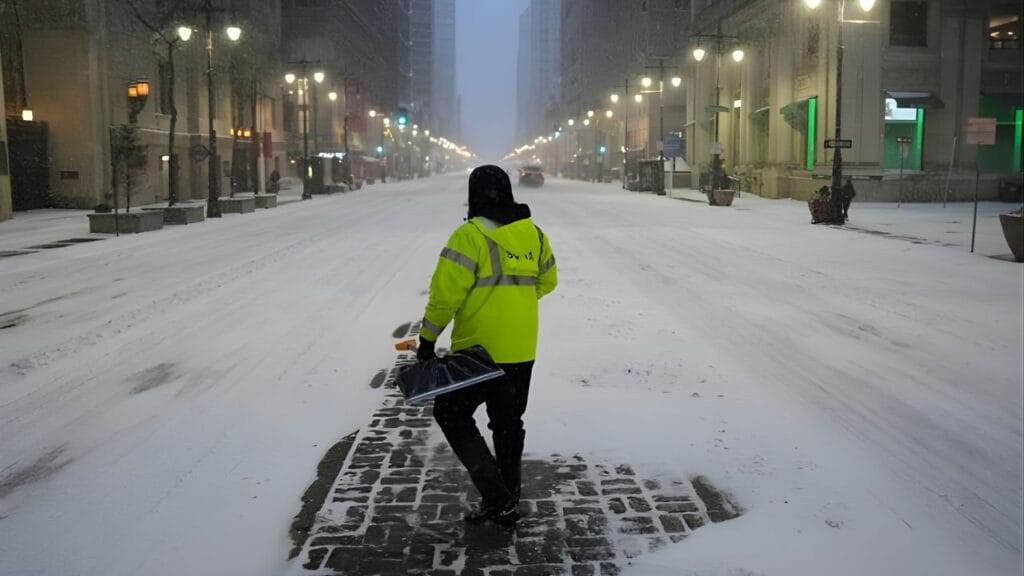
Heavy Snow Paralyzes Travel Across Multiple States
The National Weather Service reported snowfall exceeding one foot across a 2,100-kilometer stretch from Arkansas to New England. Areas north of Pittsburgh recorded up to 20 inches of snow, while wind chills dropped to minus 25 degrees Fahrenheit.
The severe weather caused:
- Widespread road closures and traffic pileups
- Thousands of flight cancellations
- School closures across multiple regions
- Delays in emergency response due to icy roads
Officials described the storm as one of the most disruptive winter events this season.
Freezing Cold Expected to Persist Nationwide
Meteorologists warned that the bitter cold affecting nearly two-thirds of the United States is not easing soon. A fresh surge of Arctic air is expected to maintain freezing temperatures in regions already blanketed by snow and ice.
Forecasters also cautioned that another winter storm could impact parts of the East Coast this weekend, increasing the risk for further damage and loss of life.
Experts say prolonged cold can worsen:
- Power infrastructure failures
- Carbon monoxide poisoning risks from unsafe heating
- Health emergencies among vulnerable populations
U.S. Snowstorm Triggers Massive Power Outages
Power outages remain a major concern as utilities struggle to restore electricity. According to PowerOutage.us, more than 560,000 customers were without power as of Monday evening.
The hardest-hit areas were in the South, including:
- Northern Mississippi
- Parts of Tennessee
- Sections of Alabama and Georgia
Freezing rain caused tree limbs to snap and power lines to collapse. Officials warned that restoration efforts could take several days, particularly in rural areas.
Southern States Struggle With Ice Damage
While northern regions faced heavy snowfall, southern states experienced crippling ice storms. Roads turned treacherous, and emergency crews faced dangerous conditions while attempting repairs.
Hospitals across affected states reported a surge in cold-related injuries, while authorities urged residents to avoid unnecessary travel.
Officials Urge Caution as Danger Continues
Federal and state agencies urged residents to remain vigilant as the U.S. snowstorm continues to pose life-threatening risks.
Safety advisories include:
- Stay indoors and limit travel
- Use heating equipment safely
- Check on elderly and vulnerable neighbors
- Follow official weather updates
Officials stressed that even brief exposure to extreme cold can become fatal.
A Stark Reminder of Winter’s Deadly Power
The ongoing U.S. snowstorm highlights the severe risks posed by extreme winter weather. Authorities warned that the combination of heavy snow, ice, prolonged power outages, and freezing temperatures creates a dangerous environment that requires constant caution.
As recovery efforts continue, officials emphasized preparedness and awareness as key to preventing further loss of life.